
There’s something about a scavenger hunt that never gets old. Whether you’re 8 years old hunting for chocolate eggs or 38 years old racing around a city centre in a superhero cape, it’s the kind of game that brings out everyone’s fun side.
Scavenger hunt games are based on a simple concept: you’re given a list of things to find, tasks to complete or clues to solve. But the idea taps into something much deeper: our natural instincts to explore, to hunt, to solve problems and to get a little burst of joy when we find something hidden.
Scavenger hunts, also known as treasure hunts, started being used for entertainment in the early 20th century, popping up at parties, social events and on TV game shows. Since then, they’ve been reinvented in all kinds of ways, from school games to epic city-wide challenges and now, even corporate team building scavenger hunts.
In this blog, we’re diving into the world of corporate scavenger hunts: what makes them effective, the different types, trending ideas and how to plan one.
What Makes Scavenger Hunts Effective for Corporate Team Building?
1. They Encourage Collaboration
Scavenger hunts bring out the curious, playful side of people, with everyone working towards a common goal that encourages natural teamwork.
2. They Build Trust
From relying on each other’s problem-solving skills to cheering each other on, corporate scavenger hunts create a sense of support and camaraderie.
3. They Break the Ice
Corporate scavenger hunts mix people up and get them interacting in a fun, relaxed way, perfect for breaking down departmental silos.
4. They Boost Creativity
Often under time pressure and a little bit of healthy competition, teams are on their feet, thinking creatively and solving problems.
Types of Scavenger Hunts
| Type | What is it? | Best For |
|---|---|---|
| Outdoor Scavenger Hunts | In outdoor scavenger hunts, players explore open spaces like parks, nature trails or city centres, following a planned route of clues that lead to specific hotspots. These hunts often use maps or app-based platforms and can include physical challenges, creative photo tasks and on-the-go puzzles. | Active teams, larger groups and those looking to explore a city or outdoor location. |
| Indoor Scavenger Hunts | Taking place indoors, these hunts are great for smaller groups or unpredictable weather. Scavenger hunt clues or items are hidden in specific rooms, and participants uncover them using riddles, puzzles or visual cues. They involve less physical movement but remain fast-paced and mentally engaging. | Smaller groups, office-based activities and events where weather or space is a consideration. |
| Virtual Scavenger Hunts | A fun solution for remote teams where participants join an online game via video call and complete tasks that involve searching for items in their home, solving riddles, snapping creative photos or completing mini challenges. | Fully remote teams, colleagues working from home and groups spread across different locations. |
| Hybrid Scavenger Hunts | Hybrid hunts combine in-person and virtual formats, with some players on-site and others joining remotely. This inclusive setup lets everyone contribute, with some members searching for clues while others solve puzzles online and help guide the on-site participants. | Teams with a mix of remote and on-site employees who want to participate in a shared experience. |
8 Fun Scavenger Hunt Ideas for Teams
You’re organising a scavenger hunt, and you want to make it fun, memorable and challenging, but you’re not sure how to do that? GOTO Events has delivered hundreds of scavenger hunts for corporate groups, so we’ve gathered our top tips for making your scavenger hunt captivating from start to finish!
1. Photo Challenges
Taking creative selfies or funny team photos (or videos!) while identifying certain landmarks and objects can add a layer of silliness that makes the scavenger hunt more memorable.
- Capture funny moments like jumping mid-air (a challenge in and of itself!).
- Find a statue, poster or artwork and get a teammate to copy its exact pose or expression.
- Create a photo that tricks the eye, using reflections, shadows, perspective or clever positioning.
- For an extra competitive twist, challenge teams to secretly photograph rival groups without getting caught, just like in our Hunted team building event.

2. Food Challenges
If a taste-testing experience and a scavenger hunt sound like the perfect combination, this might be for you!
- Make a list of food items, dishes or beverages your team needs to eat or find at different stores, cafes or restaurants. You can even add a budget or timer for extra competition, or include trivia and clues related to the items.
- For something particularly sensory, have your team smell and taste different dishes, beverages or desserts while blindfolded to see if they can guess the specific ingredients or what it is. The taste-testing could take place in different locations and feature cuisine from different countries!

3. Puzzles and Riddles
Get your team to rack their brains solving puzzles or riddles to gain points. It’s particularly effective if the answers are relevant to the theme, location or story of the hunt, and might even lead teams to an important item, clue or the next location!
- For an indoor hunt, the game could start with the puzzle: "I have keys, but no locks; space, but no rooms. You can enter, but you can’t go outside," leading to a "Keyboard." The team then finds a clue under a keyboard, leading to the next location or item.
- For outdoor hunts, the clue could be: "find the tallest building in the city," and once the team locates it, they find a puzzle box they need to open for the next challenge.

4. Trivia Games
Test your team’s trivia knowledge on subjects ranging from local history and company facts to animals, science and sports to get your team thinking and laughing together!
- Select trivia questions that are relevant to your team, such as fun facts about historical figures in your field (which Nobel Prize-winning physicist loved playing the bongos?). Extra points if the facts are strangely funny!
- Instead, the trivia questions could be related to the location, story or theme of the hunt. For example, for a spy-themed hunt, the question could be: "Which birds were fitted with cameras and used for spying on enemies during World War 1?" Answer: "Pigeons."

5. Physical Challenges
Get your team moving with fun dares or quick games like mini obstacle courses, balancing challenges or solving something while blindfolded. These can be combined with photo or video tasks for extra fun.
- String yarn between desks or across hallways, so participants have to jump or crawl to avoid losing points from being hit by "lasers."
- Make everyone carry backpacks with equipment they'll need to solve the hunt's puzzles, as if they are on an expedition.
- If you want your hunt to be extra competitive, you can even make it a race like GOTO Events' Race Across the World, where 5-minute Hotspots on the live GPS map appear every 25 minutes!

6. Themed Scavenger Hunts
For a truly immersive scavenger hunt, why not make it themed? Get your team to dress up (if that’s something they would enjoy!), base all of the clues and trivia around a specific theme or make your hunt a cohesive story!
- If you want something classic, give participants a weathered map to follow, challenge them to search for locked wooden crests and decode rhyming verses.
- Alternatively, solve a murder by collecting clues and building up your case along the way. GOTO Events' Go Mad in the Country even comes with professional actors!
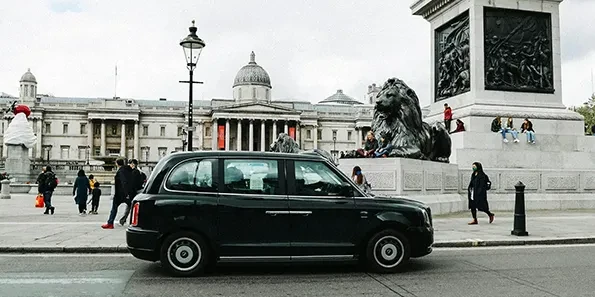
- You can also race across London in a black cab to solve clues against the clock, like in our Black Cab event.
7. Escape Room-Style Challenges
Turn your scavenger hunt into a locked-room mystery by adding a timer and challenging teams to unlock a room, rescue a fictional victim or uncover a hidden prize.
- Each scavenger hunt clue or item could be part of a final code or solution to “escape” or unlock a prize. Use QR codes at each stop to add a techy twist.
- Your team members are all thieves on a heist, trying to unlock a vault full of chocolate coins. They need to work together to solve a range of puzzles and decode hidden messages to succeed!
- All team members have been poisoned, and the antidote is hidden in the study of a powerful witch. Your team needs to unlock a cryptex box, reveal hidden spells on parchment using a blacklight pen or invisible ink and sniff out potion ingredients, such as sage and chamomile, while blindfolded.

8. Mystery Roles
To add a fun twist, give some or all participants mystery roles, like spies or saboteurs. This will have teams watching their teammates’ every move!
- There's a murderer on the loose, either in your office or in town, and your team need to uncover clues in secret letters and find the murder weapon before they get killed!
- Your team is on a secret mission, meeting undercover agents and deciphering cryptic messages to uncover the spy, like in GOTO Events' Incognito Spy Mission.

How To Plan a Successful Scavenger Hunt For Work?
1. Pick a Theme
Choose a theme that suits your team and gives the scavenger hunt a clear direction. For example, a city discovery hunt could involve finding famous landmarks, while an office scavenger hunt might feature company trivia, hidden objects and photo challenges. You can even tie the theme to a company milestone or event.
2. Plan the Route
Decide whether your scavenger hunt will take place indoors, outdoors or virtually. For outdoor hunts, choose a route with interesting stops, such as landmarks, parks or local attractions, and make sure it’s manageable within your time limit. For office hunts, use different rooms or designated zones to keep teams moving without disrupting others. For virtual hunts, plan a series of challenges that participants can complete from home, such as finding household objects, taking photos or solving clues together online.
3. Create the Clues
Include a variety of tasks to keep everyone involved. Mix riddles and problem-solving clues with creative challenges, such as recreating a famous photo, finding an object beginning with a specific letter or solving a puzzle to unlock the next location. Aim for a balance of quick wins and trickier tasks that encourage teamwork.
4. Set the Rules
Make sure everyone understands how the hunt works before setting off. Explain the time limit, scoring system and how teams should submit their answers or photos. For example, award 10 points for solving a clue and 20 for completing a creative challenge. Set clear boundaries, agree on a meeting point and remind teams to follow any relevant safety guidelines.
5. Run the Hunt
Divide participants into teams of around 4–6 people and give each group their instructions, clues or access to a digital scavenger hunt app. Keep track of progress, provide hints if teams get stuck and give a reminder when time is running low. Finish by bringing everyone together to reveal the answers, announce the winning team and share some of the funniest photos or creative submissions.
How Do I Make Sure That My Scavenger Hunt Is Suitable for Adults?
To make a scavenger hunt suitable for adults, include a mix of challenging puzzles, interesting trivia, problem-solving tasks and creative team challenges. Avoid making clues too simple or childish. Instead, encourage participants to think critically, work together and discover something new about their surroundings.
For example, an Oxford scavenger hunt could challenge teams to identify historic buildings, solve architecture-themed riddles or uncover university facts. A Manchester scavenger hunt could test their knowledge of the city’s industrial history, scientific discoveries and famous music scene.
Balance the trickier clues with light-hearted photo challenges, such as recreating a famous album cover or striking a funny team pose beside a landmark. Adding a time limit, points and a little friendly competition also makes the experience more engaging for adults.
At GOTO Events, we specialise in designing scavenger hunts for adults, combining clever clues, creative challenges and plenty of teamwork. Contact us for a no-obligation proposal in just 45 minutes!
Short on time?
Let us plan the scavenger hunt for you, perfectly tailored to your team and goals!
FAQs
A scavenger hunt is a game where players follow clues, a list or a map to find specific items, complete tasks or reach certain locations.
A corporate scavenger hunt is a fun team building activity designed for corporate teams. It combines challenges like finding items, solving puzzles and completing tasks to encourage teamwork, communication and a bit of friendly competition.
It depends on how simple or elaborate you want your scavenger hunt to be. At the very least, you’ll need a list of clues or tasks and a way to track progress. If you’re looking for something fully organised, we can run a bespoke indoor or outdoor scavenger hunt with all the tech, equipment and expert facilitators included. Contact us for more information.
How many people can take part in a scavenger hunt depends on your resources and available space. An indoor scavenger hunt might limit how many participants you can have, but an outdoor scavenger hunt in a major city is nearly limitless, if you have the resources to organise it. GOTO Events offers scavenger hunts for 10 to 1,000 people.
How long a scavenger hunt should take depends on the number of participants, how difficult the challenges are and the distance between each location. We recommend a time limit, to make the hunt feel more urgent, adding to the competition, but you don’t technically need one. Our scavenger hunts usually take between 1 and 3 hours, including a quick introduction and award ceremony.
A scavenger hunt can be adapted to suit all fitness levels, as it can be run outdoors, indoors and virtually. For outdoor and indoor scavenger hunts, ensure that the route is accessible to all participants, and that the walk isn’t too strenuous if necessary.


Enquire Now
Let's create something brilliant
Whether you already know exactly what you want or need a few ideas, our event experts will help you choose activities, venues and ideas that fit your goals.
Any group size
We come to your venue
Bespoke proposal with ideas & prices
Sent to you in 45 minutes